

Exploring the rich history of gambling through the ages
The history of gambling can be traced back thousands of years, with evidence suggesting its existence in ancient civilizations. Archaeological findings reveal that dice, one of the oldest gaming instruments, were used in Mesopotamia around 3000 BC. These primitive forms of gambling laid the groundwork for the complex betting systems we see today. You can maximize your opportunities by using the 1xbet promo code during sign-up for better bonuses.
In ancient China, gambling was often associated with social gatherings and entertainment. The Han Dynasty, which flourished from 206 BC to 220 AD, saw the introduction of various games of chance, including Keno, which is still popular today. Such games were not merely for amusement; they often served as a source of revenue for the state.
Ancient Rome and Greece embraced gambling as a part of their culture, where it became intertwined with social and political life. Gladiatorial games often included betting on outcomes, and Roman emperors would host lavish events where the populace could wager on contests. This acceptance of gambling reflected the societal norms of the time, viewing it as a legitimate activity.
In Greece, the concept of luck was deeply embedded in gambling practices. The Greeks developed a range of games, including a rudimentary form of backgammon, which they played for stakes. These early forms of gambling illustrate how deeply human beings have always sought to test their fortunes against the whims of chance.
The Middle Ages marked a significant shift in gambling practices, particularly in Europe. The Church initially condemned gambling, considering it a vice. However, clandestine gambling activities continued to thrive. This period saw the rise of card games, which originated in Asia and spread to Europe, becoming immensely popular in royal courts.
As the Renaissance approached, gambling began to regain acceptance. The invention of the printing press allowed for the distribution of gambling literature, further spreading knowledge about different games. The establishment of the first gambling houses in Italy during the late 16th century laid the foundation for the modern casino industry.
The 18th and 19th centuries brought about the formalization of gambling regulations, primarily due to the rapid growth of casinos and betting houses. In England, the Betting Act of 1853 aimed to curtail illegal betting, while the establishment of the first legal casino in Monte Carlo in 1863 heralded a new era for gambling enthusiasts. This period was characterized by the development of games like roulette and poker, which are now staples in casinos worldwide.
With the advent of technology in the 20th century, gambling underwent a transformation. The introduction of slot machines revolutionized the gaming experience, making it more accessible to the general public. The legalization of gambling in various states and countries further integrated it into mainstream entertainment, promoting a culture where betting became commonplace.
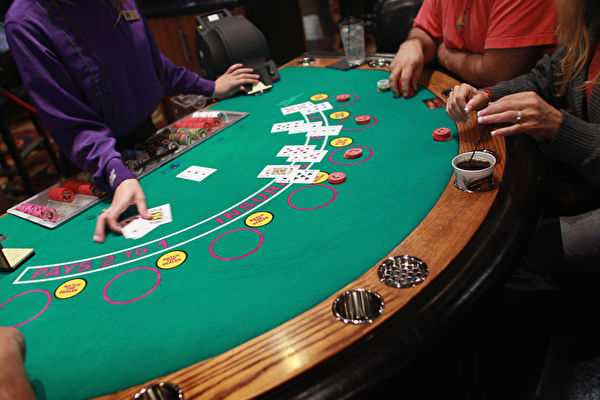
Today, gambling is a multi-billion-dollar industry that spans the globe, encompassing everything from traditional casinos to online platforms. The digital revolution has significantly altered how people engage in gambling, allowing for unprecedented convenience and accessibility. Online betting has become a primary mode for many enthusiasts, offering various options from sports betting to virtual casinos.
However, as gambling continues to evolve, so do the challenges associated with it. Awareness of gambling addiction has become crucial in today’s society. Various organizations aim to educate the public about responsible gambling practices, emphasizing the importance of moderation and self-control to ensure that gambling remains a form of entertainment rather than a harmful addiction.

