

Defense contractors actively recruit veterans, leveraging their unparalleled experience and proven skills. This strategic hiring practice strengthens national security projects while offering veterans a clear path to meaningful careers. It’s a powerful synergy that benefits both industry and the heroes who have served.
Organizations seeking a decisive edge should look no further than veteran talent. These professionals bring a unique, mission-focused mindset forged in high-stakes environments, directly translating to unparalleled operational resilience and leadership under pressure. Their experience in adaptive planning, complex logistics, and diverse team dynamics accelerates innovation and problem-solving. This is not just hiring; it’s a strategic investment in a culture of excellence. Integrating this cohort builds a robust workforce with a proven competitive advantage, ready to navigate any business challenge with discipline and unwavering commitment.
Organizations gain a significant competitive advantage in talent acquisition by integrating veteran talent. This cohort brings tested leadership, exceptional composure under pressure, and a mission-focused work ethic forged in demanding environments. Their unique training instills advanced problem-solving skills, adaptability, and a deep commitment to teamwork and process. These attributes directly translate to enhanced operational reliability, stronger organizational culture, and effective crisis management, providing a tangible edge in dynamic markets.

Veterans offer a proven leadership pipeline for organizations seeking a decisive competitive edge. They bring a unique blend of discipline, resilience, and the ability to execute under pressure, forged in high-stakes environments. This translates directly to superior team cohesion, robust problem-solving, and a steadfast commitment to mission success. Integrating this elite talent pool is not just patriotic; it is a strategic maneuver that builds adaptable, high-performing teams capable of navigating complex challenges and driving tangible results.
In the high-stakes arena of modern business, organizations with a competitive hiring advantage consistently tap into a unique reservoir: veteran talent. These professionals bring a forged-in-crisis mindset, where adaptability, unwavering loyalty, and calm leadership under pressure are second nature. They have already navigated scenarios more demanding than any quarterly report. This translates to resilient teams that excel in structured execution, complex problem-solving, and mentoring colleagues through turbulence, directly strengthening organizational resilience from day one.
Veterans are uniquely positioned to excel in defense contracting, bringing mission-critical expertise directly from the battlefield to the boardroom. Their firsthand operational knowledge is invaluable for systems integration and testing, ensuring complex platforms meet real-world demands. They serve as essential liaisons, bridging the cultural and communication gap between military end-users and corporate engineering teams. Furthermore, their ingrained understanding of procurement cycles and compliance requirements makes them vital for program management and contract fulfillment, directly enhancing project success and national security outcomes.
Veterans are uniquely positioned to excel in defense contracting, bringing critical operational insight and security expertise. Their firsthand experience with military systems and protocols is invaluable for developing, testing, and integrating complex technologies. This direct knowledge ensures that contractor solutions are practical, reliable, and meet the stringent requirements of end-users. Furthermore, their ingrained understanding of **acquisition lifecycle management** streamlines project execution. This veteran transition into contracting strengthens national security through practical innovation.
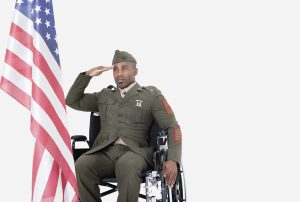

Veterans are uniquely positioned to drive innovation in defense contracting. Their firsthand operational experience is invaluable for developing realistic requirements and testing protocols, ensuring that new systems actually work for the warfighter. This deep understanding of military needs allows them to bridge the critical gap between the Pentagon and industry. Their leadership in project management and logistics also ensures complex programs stay on track and within budget, directly supporting **national security contracting solutions**.
Veterans are uniquely positioned to excel in **defense contracting careers**, bringing critical operational insight from their service. Their firsthand experience with military systems, protocols, and end-user needs allows them to bridge the gap between the Pentagon and industry, ensuring products are practical and effective. This expertise is invaluable in roles such as program management, systems engineering, logistics analysis, and quality assurance. Their understanding of the operational environment directly contributes to enhanced contract performance and mission success.
Veterans are uniquely positioned to drive innovation and enhance operational readiness within defense contracting. Their firsthand combat experience and deep understanding of military protocols make them invaluable for roles in program management, systems engineering, and quality assurance. They bridge the critical gap between the Pentagon’s requirements and industry’s technological solutions, ensuring that contracts deliver practical, battlefield-effective results. This **veteran transition to defense careers** strengthens national security by embedding proven leadership and tactical expertise directly into the supply chain, creating more resilient and capable defense systems.
The transition from military service to civilian contracting presents a complex web of challenges. Veterans must navigate a labyrinth of business development and client acquisition without the structured support of their former chain of command. Suddenly, the mission is no longer given but must be won. This shift requires mastering new skills in marketing, competitive bidding, and financial management, often while coping with the psychological adjustment to a less regimented life. Furthermore, building a reliable network and establishing credibility in a crowded marketplace are significant hurdles. Success demands not only technical expertise but also entrepreneurial grit to thrive in this high-stakes environment.
The soldier’s journey from the structured battlefield to the competitive marketplace is fraught with unique hurdles. Translating elite military skills into civilian resume keywords becomes a first, formidable mission. This **military to civilian career transition** often involves navigating an unfamiliar corporate culture without a clear chain of command. The loss of built-in camaraderie and purpose can lead to a profound sense of isolation, making the professional reinvention feel like a solitary campaign.
The transition to military-to-civilian contracting presents significant challenges, primarily centered on **adapting military skills for civilian careers**. Veterans must decode an entirely new business culture, translating their proven leadership and logistics expertise into commercial terminology that resonates with corporate hiring managers. This shift requires not only a mindset change from a structured, mission-driven environment to one focused on profit and market competition, but also the practical navigation of complex bid processes and compliance landscapes unfamiliar to most service members.
**Q: What is the biggest hurdle for veterans entering government contracting?**
**A:** The most significant hurdle is often the cultural and procedural shift from following direct orders to independently navigating the competitive and compliance-heavy proposal (RFP) process.
Transitioning from military service to a civilian contracting career presents unique hurdles. One major challenge is translating military skills and experience into terms that civilian hiring managers understand. This skills translation gap can make it hard to showcase your true value on a resume. Furthermore, navigating the vast and often decentralized world of civilian procurement and bidding processes feels completely foreign compared to military logistics. Building a professional network from scratch outside your service branch also takes significant time and effort. Successfully navigating this career pivot requires dedicated preparation and a strategic job search approach.
Successful veteran recruitment begins with targeted outreach through military-friendly job boards and partnerships with veteran service organizations. Once hired, structured onboarding and mentorship programs are crucial for seamless cultural integration, translating military skills into corporate competencies. Creating dedicated employee resource groups fosters peer support and reinforces belonging. Companies must proactively train hiring managers to recognize the exceptional leadership, resilience, and mission-focused mindset veterans offer. This comprehensive commitment to veteran talent acquisition builds a loyal, high-performing workforce and strengthens organizational resilience.
Effective veteran recruitment requires dedicated military hiring initiatives that translate military skills into civilian competencies. Companies should train recruiters on military acronyms and rank structures to properly assess candidate experience. A successful veteran integration program pairs new hires with mentors, provides clear pathways for advancement, and fosters an inclusive culture that values diverse leadership styles. This structured onboarding is crucial for long-term retention and utilizes the unique discipline and problem-solving skills veterans bring to the workforce, strengthening the overall organization.
Effective veteran recruitment starts with translating military skills into civilian terms, a key part of any successful veteran hiring program. Move beyond just posting jobs on military boards; partner with veteran service organizations and use skills-matching software. For integration, assign a dedicated buddy or mentor from day one. Create an onboarding path that acknowledges their unique experience and clearly shows career progression, which dramatically boosts retention and builds a stronger, more capable team.
To effectively recruit and integrate veterans, companies must move beyond just posting jobs. A successful veteran recruitment strategy starts with translating military skills into civilian roles, using plain language in job descriptions. Once hired, a structured onboarding program with veteran mentors is crucial for easing the transition. This focus on long-term veteran career development boosts retention and builds a diverse, highly skilled team that values discipline and leadership.
The veteran’s journey is one of relentless adaptation, a quality that will define the future of their hiring in the sector. As industries grapple with rapid technological change and complex logistics, the disciplined leadership and crisis-tested problem-solving of former service members become invaluable strategic assets. Companies are moving beyond token gestures to build pipelines that genuinely translate military skills into civilian roles.
The most forward-thinking organizations now see a veteran not just as a hire, but as a force multiplier who elevates entire teams.
This shift, powered by dedicated skills translation programs and mentorship, promises a future where the sector’s toughest challenges are met by those trained to persevere.
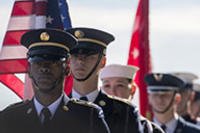
The future of veteran hiring in the sector is defined by a strategic shift from recruitment to long-term career development. Companies are moving beyond simply filling quotas to creating veteran-inclusive cultures that leverage military skills like leadership and adaptability for complex problem-solving. This focus on strategic talent acquisition is enhanced by specialized transition programs, dedicated employee resource groups, and skills-based hiring practices that translate military experience. The result is a more resilient workforce where veterans are retained and advanced as key organizational assets.
The future of veteran hiring in the sector is being reshaped by targeted skills translation and dedicated talent pipelines. Companies are moving beyond generalized appreciation to actively map military experience, like logistics management or advanced technical training, directly to critical civilian roles. This strategic veteran talent acquisition addresses persistent skills gaps while building resilient, leadership-rich teams. Success will depend on sustained partnerships with veteran service organizations and internal mentorship programs to ensure long-term retention and career growth.
The veteran hiring landscape is transforming from a charitable duty to a strategic imperative. Forward-thinking organizations now recognize that military experience forges unparalleled leadership, resilience, and complex problem-solving skills directly applicable to civilian challenges. This evolution in veteran talent acquisition is driven by a deeper understanding of translating military competencies, ensuring these skilled professionals thrive and lead. The future belongs to companies that move beyond simple hiring to creating cultures https://www.wxyz.com/lifestyle/these-are-the-best-companies-for-veterans-according-to-monster where veteran transition programs foster long-term career growth and innovation.
